Reviewing a 3D SVG Christmas Card Asset
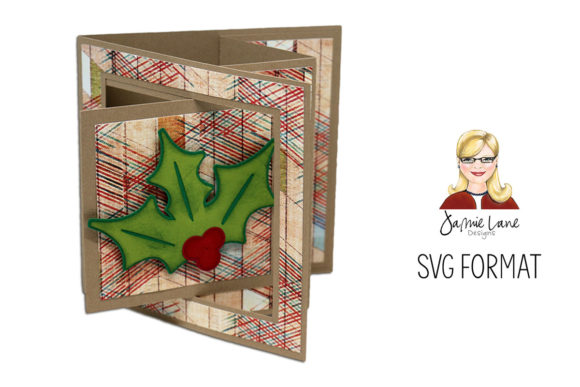
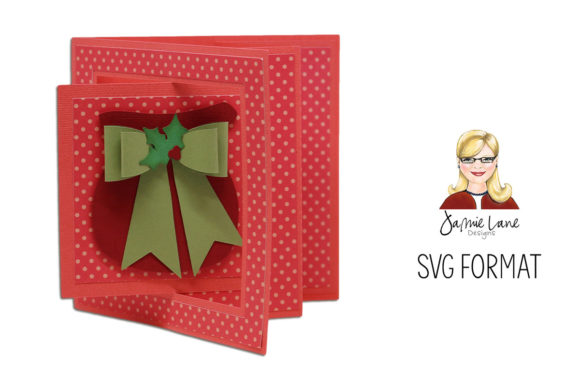
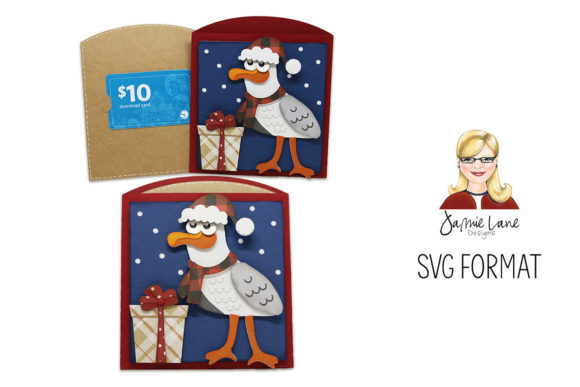
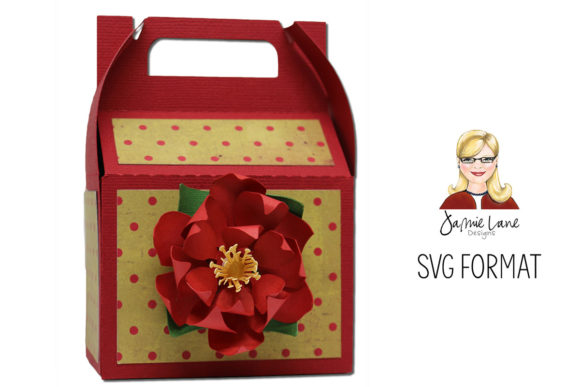
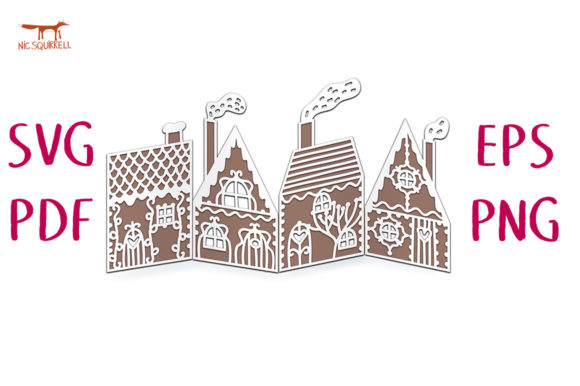
As a graphic designer who frequently bridges the gap between digital branding and tangible product creation, I am always on the lookout for assets that offer more than just a pretty picture. Recently, while developing a seasonal campaign for a boutique handmade soap brand, I needed a visual element that could translate from their Instagram feed to physical packaging without losing its charm. That is when I pulled the Gingerbread House Accordion Card SVG Cut into my workspace. My initial impression was one of immediate warmth; this isn't just a flat illustration, but a structured graphic design asset designed with dimensionality in mind. The lines are crisp, suggesting a high level of precision that is essential for cutting machines, yet the style retains a whimsical, hand-crafted feel that aligns perfectly with modern small business branding.
Evaluating the Visual Mood for Seasonal Campaigns
The first thing any designer notices is the mood. This file exudes a cozy, nostalgic atmosphere that is critical for Christmas marketing. It avoids the overly commercial, glossy look of big-box retail graphics, opting instead for a "paper-cut" aesthetic that feels authentic and inviting. For clients in the handmade business sector, this distinction is vital. When I placed the Gingerbread House Accordion Card SVG Cut alongside serif and script typography, it created a harmonious balance. The geometric stability of the house structure grounds the more fluid nature of handwritten fonts, making it an excellent candidate for logo design accents or limited-edition product labels. It tells a story of home and tradition before the customer even reads the copy.
Versatility Across Digital and Physical Mediums
In terms of application, this digital product proves surprisingly versatile. While its primary function is clearly as a Cricut project for creating actual greeting cards, its utility extends far beyond the craft table. In my review for the soap brand, I tested the vector paths for use in packaging design. Because it is a true 3D SVG, the layers can be manipulated to create depth in flat product mockups. I successfully adapted the silhouette for a sticker design intended for holiday gift sets, and the clean paths ensured no jagged edges during the die-cut simulation.
Furthermore, for content creators and bloggers, this asset serves as a strong focal point for social media graphics. Whether used as a standalone illustration on a Pinterest pin or integrated into a Canva template for email newsletters, the visual weight of the gingerbread house draws the eye immediately. For those involved in print-on-demand, the scalability of the SVG format means it can be resized for t-shirt design or mug wraps without pixelation. It functions effectively as a sublimation design where the layered effect can be mimicked using different shades of ink to simulate depth on fabric.
Strategic Placement and Layout Considerations
However, professional judgment requires knowing where not to use an asset. The Gingerbread House Accordion Card SVG Cut shines in large layout areas and as a hero graphic. It works beautifully as a decorative accent on invitation suites or as the central theme for a holiday collection. That said, designers must exercise caution when placing it in crowded layouts. The intricate details of the accordion folds and roof textures can get lost if the image is scaled down too small, such as in a website favicon or a dense footer menu. It is also less suitable for minimalist corporate materials where a stark, ultra-clean visual hierarchy is required; this asset brings a specific emotional texture that might clash with severe, industrial branding.
When considering visual hierarchy, this asset commands attention. If used incorrectly, it can overpower delicate typography. In my testing, I found it best to pair it with bold sans-serif fonts for headlines to maintain balance, rather than competing with another highly detailed display font. The goal is to let the gingerbread house act as the anchor, supporting the message rather than drowning it out.
Technical Performance and Designer Notes
From a technical standpoint, the file structure of this SVG design is robust. Before handing this off to a client or using it in a commercial project, I always run a series of checks. First, I test the design in black and white to ensure the contrast holds up without relying on color cues. This is crucial for editorial design or newspaper ads where color printing isn't guaranteed. Next, I inspect the nodes in my vector software. A high-quality clipart file should have smooth curves and minimal unnecessary points, which this file demonstrates well.
It is also essential to preview the asset on both light and dark backgrounds. While the default view is likely optimized for white cardstock, web design applications may require a color inversion or a drop shadow to ensure the cut lines remain visible against dark site themes. For those planning to use this as a printable design, checking the print quality at 100% scale is non-negotiable to ensure the fine lines of the "papercut" style do not blur together.
Final Verdict for Commercial Use
Ultimately, the Gingerbread House Accordion Card SVG Cut is a valuable addition to any designer's library, particularly for those serving the Etsy product market or local boutiques. It bridges the gap between digital convenience and tactile reality. Its ability to function as a marketing visual, a physical craft template, and a branding element makes it a cost-effective solution for seasonal campaigns. However, success lies in the execution. Designers must respect the complexity of the image, ensuring it has enough breathing room to impress. By confirming the commercial license and adhering to best practices for scaling and contrast, this asset can significantly elevate the professionalism and emotional appeal of a winter holiday project. It is not just a cut file; it is a storytelling tool ready for the right creative direction.