Review: Whale 3D Shadow Box Layered Papercut Design
As a designer who spends more time staring at stitch maps than most people care to admit, I approach new design assets with a mix of curiosity and skepticism. When I first pulled up the Whale 3D Shadow Box - Layered Papercut file, my initial reaction wasn't about the cut lines or the SVG layers intended for Cricut or Silhouette machines; it was about how this specific aesthetic would translate into thread. There is a distinct mood here—a calm, oceanic serenity mixed with the structural depth of layered paper art. The question every serious craft business owner needs to ask is whether that visual personality survives the transition from digital vector to physical embroidery project.
Translating Paper Layers into Stitch Density
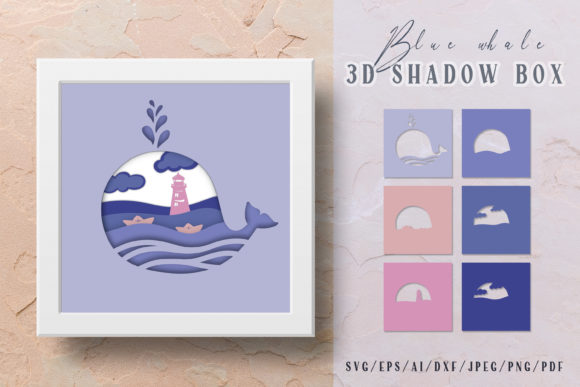
The core appeal of this design lies in its "shadow box" concept. In the world of papercraft, this relies on physical depth created by stacking cardstock. In embroidery, we have to fake that depth using stitch density, underlay, and strategic color placement. Looking at the layout of the Whale 3D Shadow Box - Layered Papercut, the shapes are bold and organic, which is promising. However, translating a layered papercut look into an embroidery file requires careful consideration of how light interacts with the thread.
If you are planning to use this as an applique design, the potential is immense. The clean lines of the whale and the surrounding wave elements suggest that using felt or cotton backing could mimic the matte texture of paper beautifully. A satin stitch border around these appliqué pieces would define the edges sharply, creating the illusion of separate layers sitting on top of one another. Alternatively, if you opt for a full fill stitch approach, you must be wary of making the design too dense. A heavy hand with the fill can turn a whimsical whale into a stiff, plastic-looking patch that lacks the softness customers expect from a handmade product.
Real-World Application: The Custom Tote Bag Scenario
Let's walk through a realistic scenario. Imagine a client orders a custom tote bag design for a beach-themed boutique. They want something that looks high-end but retains a playful, handmade charm. The Whale 3D Shadow Box - Layered Papercut fits this brief perfectly, provided you execute it correctly. I envision this stitched onto a heavy canvas tote using a contrasting stabilizer to ensure the fabric doesn't pucker under the weight of the design.
In this context, the visual appeal is driven by contrast. If you choose a navy blue whale against a cream canvas, utilizing varying shades of blue for the different "layers" of the shadow box effect can create a stunning gradient without needing complex blending techniques. This approach elevates the perceived value of the finished product. Customers aren't just buying a bag; they are buying a piece of art. The clarity of the stitching here is crucial. If the small details between the layers blur together due to poor digitizing or low-quality thread, the "3D" effect vanishes, and you are left with a muddy blob. For an Etsy seller, maintaining that crisp definition is what separates a five-star review from a return request.
Navigating Fabric Textures and Hoop Limitations
While the design shines on flat, stable fabrics like canvas or denim, caution is required when moving to trickier materials. If you attempt this on a stretchy sweatshirt embroidery project, the stability of those layered shapes becomes a challenge. Stretch fabrics can distort the precise alignment needed for a shadow box effect. Here, your choice of stabilizer is not just a suggestion; it is a necessity. A cut-away stabilizer would likely be required to support the structure of the whale over the life of the garment.
Furthermore, consider the hoop size. While the product description mentions it includes files for cutting machines, embroidery hoops have physical limits. If the design is large, you may need to re-hoop or break the design into sections, which risks misalignment. For smaller items like a baby onesie or a cap, the curved surface adds another layer of complexity. Embroidering a multi-layered design on a cap requires experience with framing and tension. The detailed corners of the waves and the tail of the whale could easily bunch up if the machine tension isn't dialed in perfectly for that specific curvature.
Commercial Viability and Brand Consistency
For those running a small shop product line, consistency is key. The Whale 3D Shadow Box - Layered Papercut offers a strong visual identity that can anchor a brand. Whether used for holiday embroidery gifts, nursery decor, or personalized gift items, the theme is versatile. However, before listing this as a commercial embroidery option, you must verify the licensing terms. The provided description notes it includes cutting files for Cricut and Silhouette, but it does not explicitly state the license for commercial embroidery usage. Never assume a cutting file license covers machine embroidery sales. Always confirm whether you are allowed to sell the physical embroidered patch or finished apparel.
From a marketing perspective, this design photographs exceptionally well. The layered look creates natural shadows that add depth to printable mockup images and social media previews. This visual depth drives buyer engagement. A flat design can sometimes look dull in a thumbnail, but a design that implies dimension stops the scroll. For digital product sellers who might be considering digitizing this themselves (if the license permits) or selling the physical outcome, the "wow" factor is high.
Practical Notes for the Professional Maker
Before committing this design to a client's expensive garment, treat it like any other critical machine embroidery design. Run a test stitch-out on scrap fabric that matches the weight and texture of your final material. Pay close attention to the thread colors. In a shadow box style, the difference between adjacent layers should be subtle enough to show depth but distinct enough to prevent visual merging. Test your design in both light and dark backgrounds; a design that pops on white might disappear on black without a proper underlay or border.
Also, inspect the tiny details. In papercut designs, very thin strips of "paper" are common. In embroidery, these translate to narrow columns of stitching that are prone to breaking or fraying after washing. If the Whale 3D Shadow Box - Layered Papercut has extremely fine connections between layers, you may need to manually adjust the stitch width or simplify the path to ensure durability. Remember, a personalized product is often gifted to be kept forever; it needs to withstand the test of time and laundry cycles.
Ultimately, this design holds significant promise for creators looking to blend the trendy papercut aesthetic with the tactile warmth of embroidery. It invites experimentation with textures, from glossy rayon threads to matte cotton, allowing you to customize the feel of the baby embroidery or home decor item you are creating. Just remember that the magic lies in the execution. Respect the material, understand the limitations of your hoop and fabric, and always prioritize the longevity of the stitch. With the right approach, the Whale 3D Shadow Box - Layered Papercut can become a signature piece in your portfolio, delighting customers with its depth and charm.